

Each Modern亞紀畫廊是一間以歷史脈絡與市場結構進行高度選擇的研究型畫廊。我們關注的並非風格的多樣性,而是觀念如何在不同文化、歷史與語境之中,被反覆提煉、轉譯,並最終沉澱下來。畫廊的策展與代理結構,圍繞幾條清楚而穩定的軸線展開。這些軸線並非分類系統,而是經由長時間思考與研究所形成的策展方法。
第一條軸線聚焦於極簡、抽象與概念的實踐。我們關注戰後至當代藝術家如何回應時間、物質、書寫、精神性與身份等根本問題。在這一脈絡中形式不是目的,觀念的純度與其持續性才是核心。我們特別關心東亞精神性抽象與歐美極簡主義之間尚未被充分討論的交會地帶,並透過長線策展,建立跨文化的思想對話。
第二條軸線聚焦於當代台灣與中國的藝術實踐。在可以自由論述的台灣土壤之上,我們關注藝術家如何在歷史斷裂、文化書寫與全球視野之間,重新思考繪畫主體性的可能性。畫廊選擇的是那些能夠在繪畫之中承載思想重量,而非僅止於風格表現的創作。
第三條軸線關注東方影像與視覺文化的再閱讀。影像作為文化記憶、身體政治與觀看結構的載體,涵蓋從歷史攝影到當代實踐。畫廊關注影像如何在不同時代與社會條件下,形塑觀看方式,並成為理解東亞現代性與當代經驗的重要線索。
此外,畫廊亦支持尚在形成中的藝術、容納仍在發展中的實驗性實踐與跨媒介創作。這個區域不追求即時定義,而是允許作品與觀念在時間中逐步顯影。
亞紀畫廊以時間考驗作為唯一標準,並透過與多座美術館的合作,累積了多次合作經驗。合作機構包括關渡美術館、台北市立美術館、 Longlati 藝術基金會等。畫廊亦長年參與國際藝術博覽會,包括 Art Basel Hong Kong、Paris Photo、Gallery Weekend Beijing、ARCOlisboa、Art Collaboration Kyoto 以及 Tokyo Gendai。
亞紀畫廊相信,藝術能夠引領價值,並持續驅動未來。
-

-
The Practice of Long-Termism
長期主義的實踐 Bloomberg BusinessweekYoung artists can use the gallery to confront the journeys of their predecessors and reflect on their own histories.
 Bloomberg Businesswe Chinese Edition
 publisged date : 2024. 3. 27 | No. 295
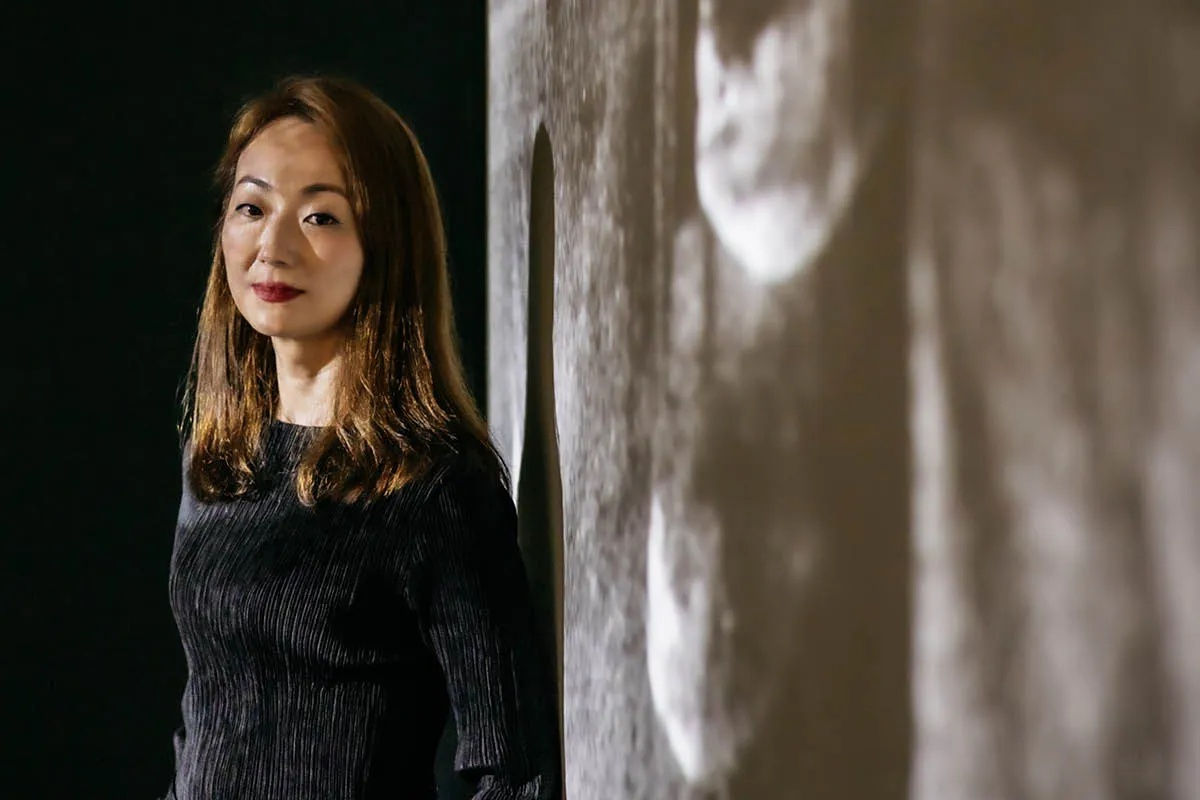
在這篇訪談中,黃亞紀闡述了畫廊選擇戰後藝術家作為主要經營方向之一的原因:「這是一個在拍賣市場上始終受到關注的熱門領域,但在美術館和商業畫廊中卻未得到充分介紹。」她指出,「二戰後,台灣的藝術表達非常前衛,並受到國際關注。然而,由於種種原因,當前台灣的戰後藝術家並未被廣泛認識。」黃亞紀重申,台灣在華人區域中仍是唯一能夠發展前衛思想藝術的地方,無論是回顧歷史還是展望未來。因此,畫廊的另一個方向是培養1980年代以後的藝術家,並促進年輕人與歷史的持續對話。「年輕藝術家能夠透過畫廊重新面對前輩的歷程,反思自己的歷史,這是畫廊這幾年來的重要成就之一。」
In this interview, Huang Yaji explains the gallery's choice to focus on post-war artists as one of its main directions: "This is a popular area that has always been present in the auction market, but it has not been adequately represented in museums and commercial galleries." She points out, "After World War II, Taiwan's artistic expression was very avant-garde and received international attention. However, for various reasons, contemporary Taiwanese post-war artists are not widely recognized." Huang Yaji reiterates that Taiwan remains the only region within the Chinese-speaking world capable of developing avant-garde artistic thought, whether reflecting on history or looking to the future. Therefore, another direction for the gallery is to nurture artists from the post-1980s era and to facilitate ongoing dialogue between young people and history. "Young artists can use the gallery to confront the journeys of their predecessors and reflect on their own histories. This has been one of the gallery's significant achievements in recent years." -
Can the market shake the confidence of a gallerist?
市場能動搖畫廊主的信心嗎? BAZAAR ArtThe significance of the gallery lies in exploring the meaning and value of art, rather than merely focusing on transient auction results or market prices.
 BAZAAR Art Chinese Edition
 publisged date : 2023. 6. 13
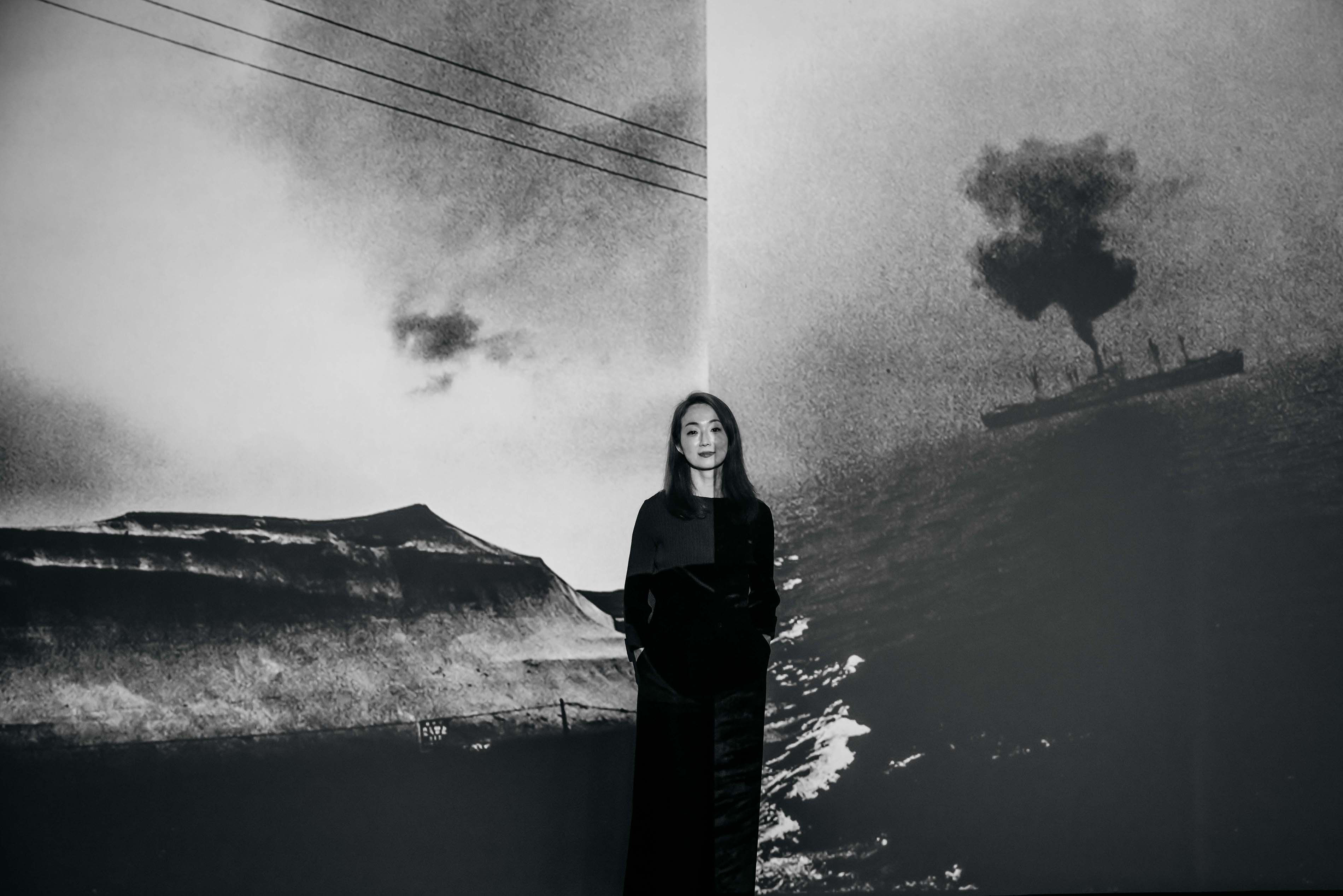
在這篇訪談中,黃亞紀表達了將畫廊定位在非本地畫廊的觀點,因自戰後起,亞洲藝術就和歐洲有許多交彙點,現在更應該鼓勵超越現有藝術的作品,引領、創新品位。畫廊的意義終究是探索藝術的意義和價值在何處,而不僅是一時的拍賣或市場的價格。
In this interview, Huang Yaji articulates her vision of positioning the gallery as a platform beyond local confines. Since the post-war period, Asian art has intersected with European art in numerous ways, and there is now a pressing need to encourage works that transcend existing artistic boundaries, leading to the creation of new aesthetic standards. Ultimately, the significance of the gallery lies in exploring the meaning and value of art, rather than merely focusing on transient auction results or market prices.
